August 4, 2026
Explore the often overlooked expenses in plumbing services that can impact both residential and commercial properties. This article delves into the various hidden costs, offering insights into how they arise and providing strategies to mitigate them.
1. Common Hidden Costs in Residential Plumbing
1.1 Plumbing Inspection Fees
Plumbing inspection fees are one of the initial hidden costs that many homeowners encounter. These fees are essential for identifying potential problems before they escalate into larger issues. Regular inspections ensure the plumbing system is up-to-date and functioning optimally. However, they often require a professional plumber whose fees can vary significantly depending on the region and the extent of the inspection. These routine inspections can become a recurring cost if homeowners neglect initial warnings and recommendations.
1.2 Permit and Licensing Costs
Permit and licensing costs are often overlooked when homeowners plan plumbing work. Many regions mandate permits for specific plumbing activities, such as renovations or replacing major fixtures. The price of these permits can vary, sometimes creating unexpected financial burdens. It's crucial to consider these costs when budgeting for any significant plumbing work to avoid potential legal issues. Failing to acquire the necessary permits can lead to fines, further increasing the overall expenditure.
1.3 Unexpected Repairs and Replacements
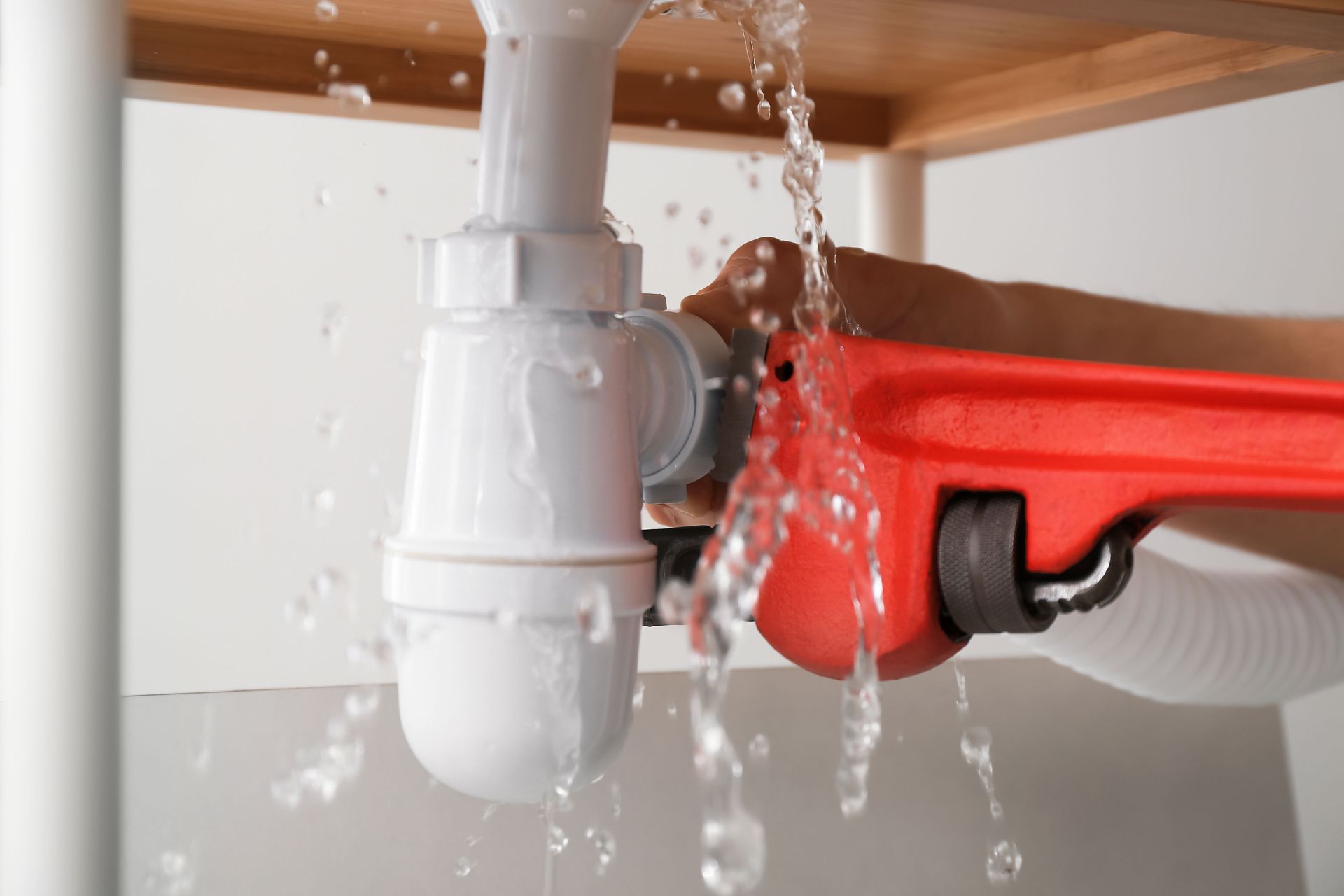
One of the most common hidden costs in residential plumbing is unexpected repairs and replacements. From burst pipes to malfunctioning water heaters, these issues can arise without warning. Not only do they require immediate attention, but they also involve substantial costs that are often not budgeted for. Preventive measures and regular maintenance are key strategies to reduce the risk of such unexpected expenses. According to ZIPDO Education Reports, water damage from plumbing issues costs property owners in the U.S. over $13 billion annually, emphasizing the importance of proactive care.
1.4 Emergency Service Charges
Emergency service charges can significantly inflate plumbing costs for homeowners. Plumbers often charge premium rates for after-hours or immediate services needed to address urgent plumbing issues. These costs can strain the household budget, especially if the problem arises at an inopportune time. It is beneficial for homeowners to have a regular plumber with an understanding of potential emergency needs, which might offer some cost alleviation. Being prepared with a contingency fund for such emergencies can help manage these expenses more effectively.
1.5 Water Damage and Restoration
Water damage resulting from plumbing failures can be devastating and costly. This type of damage affects not only the plumbing itself but can also extend to walls, floors, and furniture. Restoration after water damage is often a prolonged process, requiring specialized services to ensure that the structure is safe and mold-free. The costs associated with such restoration work can be overwhelming, especially when insurance does not cover all repairs. Regular maintenance checks can help detect issues early, potentially preventing extensive water damage and associated costs.
2. Common Hidden Costs in Commercial Plumbing
2.1 Compliance and Regulatory Costs
Commercial properties face specific compliance and regulatory costs that can be hidden within plumbing budgets. Ensuring that a plumbing system meets all health and safety standards often involves inspections, upgrades, and documentation that all add to the overall cost. Failing to adhere to regulations can lead to fines and additional costs, creating financial challenges for businesses. Staying informed about regulatory changes and requirements can help manage and potentially reduce these costs. Investing in regular audits and proactive upgrades is essential in ensuring compliance and avoiding unexpected expenses.
2.2 Infrastructure Modifications
Infrastructure modifications can be a significant hidden cost in commercial plumbing. As businesses grow and change, their plumbing needs can evolve, necessitating modifications that can be both complex and costly. These changes might include expanding piping systems or upgrading equipment to accommodate increased demands. Businesses need to plan for these potential costs, especially during periods of expansion or remodeling. Collaboration with experienced plumbing professionals can ensure modifications are done efficiently, minimizing disruptions and costs.
2.3 Equipment Upgrade Requirements
Commercial plumbing systems often require equipment upgrades to maintain efficiency and comply with regulations. Over time, wear and tear make upgrades necessary to prevent operational issues and to meet new standards. These upgrade costs can be substantial, especially if outdated systems are being replaced. Businesses must factor in these potential expenses during financial planning to avoid surprise expenditures. By investing in quality materials and equipment initially, businesses can extend the lifespan of their plumbing systems and potentially reduce future upgrade costs.
2.4 Operational Downtime
Operational downtime is a significant cost associated with plumbing repairs and upgrades in commercial settings. Even minor plumbing issues can lead to downtime, affecting productivity and revenue. The impact is more pronounced in industries reliant on uninterrupted water supply, such as restaurants and hotels. Strategically planning plumbing work during off-peak times can mitigate downtime impacts. It's essential for business owners to work closely with plumbing contractors to schedule maintenance and repairs in a manner that minimizes disruption.
2.5 Insurance and Liability Concerns
Insurance and liability concerns add an extra layer of complexity to commercial plumbing costs. Plumbing failures can lead to damage that might not be fully covered by standard insurance policies. Understanding the specifics of coverage is crucial to ensure that businesses are not left with substantial out-of-pocket expenses. Moreover, liability issues may arise if plumbing problems affect clients or tenants, potentially leading to litigation. Businesses should carefully review policies and regularly consult with their insurers to fully understand the scope of coverage and liabilities involved.
3. Differences Between Residential and Commercial Plumbing Costs
3.1 Scale of Operations
The scale of operations significantly differentiates residential from commercial plumbing costs. Commercial systems are generally more extensive, involving larger pipes and more fixtures, which inherently increases maintenance and repair costs. The complexity and size of commercial systems often require specialized skills and equipment, adding to the cost. In contrast, residential systems are smaller and typically less complex, but the per-unit cost can still be high due to less frequent servicing needs. Understanding these differences helps property owners better anticipate and plan for plumbing-related expenses.
3.2 Complexity of Plumbing Systems
Commercial plumbing systems are inherently more complex than residential ones. This complexity stems from the need to accommodate more occupants, varied plumbing fixtures, and increased usage patterns, all of which require meticulous planning and maintenance. The intricate nature of these systems means that repair or maintenance work can be more involved and, consequently, more expensive. On the other hand, residential systems, while simpler, still require careful monitoring to avoid issues that could lead to costly repairs. Maintaining awareness of the system's complexity is crucial for effective management and cost control.
3.3 Frequency of Maintenance
The frequency of maintenance varies notably between residential and commercial plumbing systems. Commercial systems typically require more frequent maintenance due to higher usage levels, which can lead to faster wear and tear. Regular maintenance is critical in preventing system failures that could disrupt business operations and incur substantial costs. In contrast, residential systems, while used less intensively, also demand routine checks to prevent issues from escalating. Setting up a scheduled maintenance plan for both types of systems can help in reducing the long-term costs associated with unexpected repairs.
Understanding and anticipating the hidden costs in both residential and commercial plumbing can lead to more informed decisions and significant savings over time. With the strategies and insights provided, property owners and managers can better navigate the financial complexities involved in plumbing maintenance and upgrades. Be sure to reach out to Fred's Plumbing today to learn more about our professional commercial plumber!